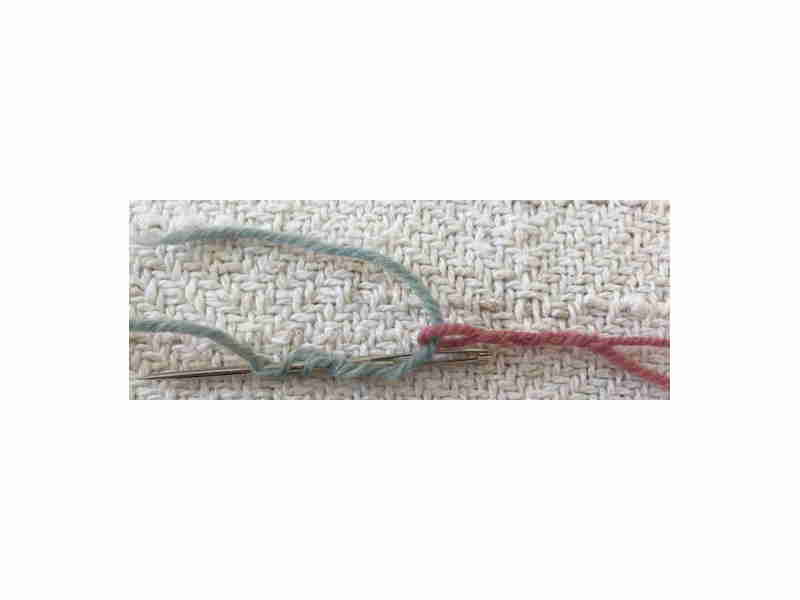
What is a Russian join? A Russian join is a very effective way to join 2 yarn ends without using a knot.
The Russian Join technique works well on any type of plied yarn, especially when the yarn doesn’t felt, such as for cotton, linen or superwash wool yarns. It can be used for knitting and crochet. I also like to use this method for nalbinding.
How to Russian Join Yarn
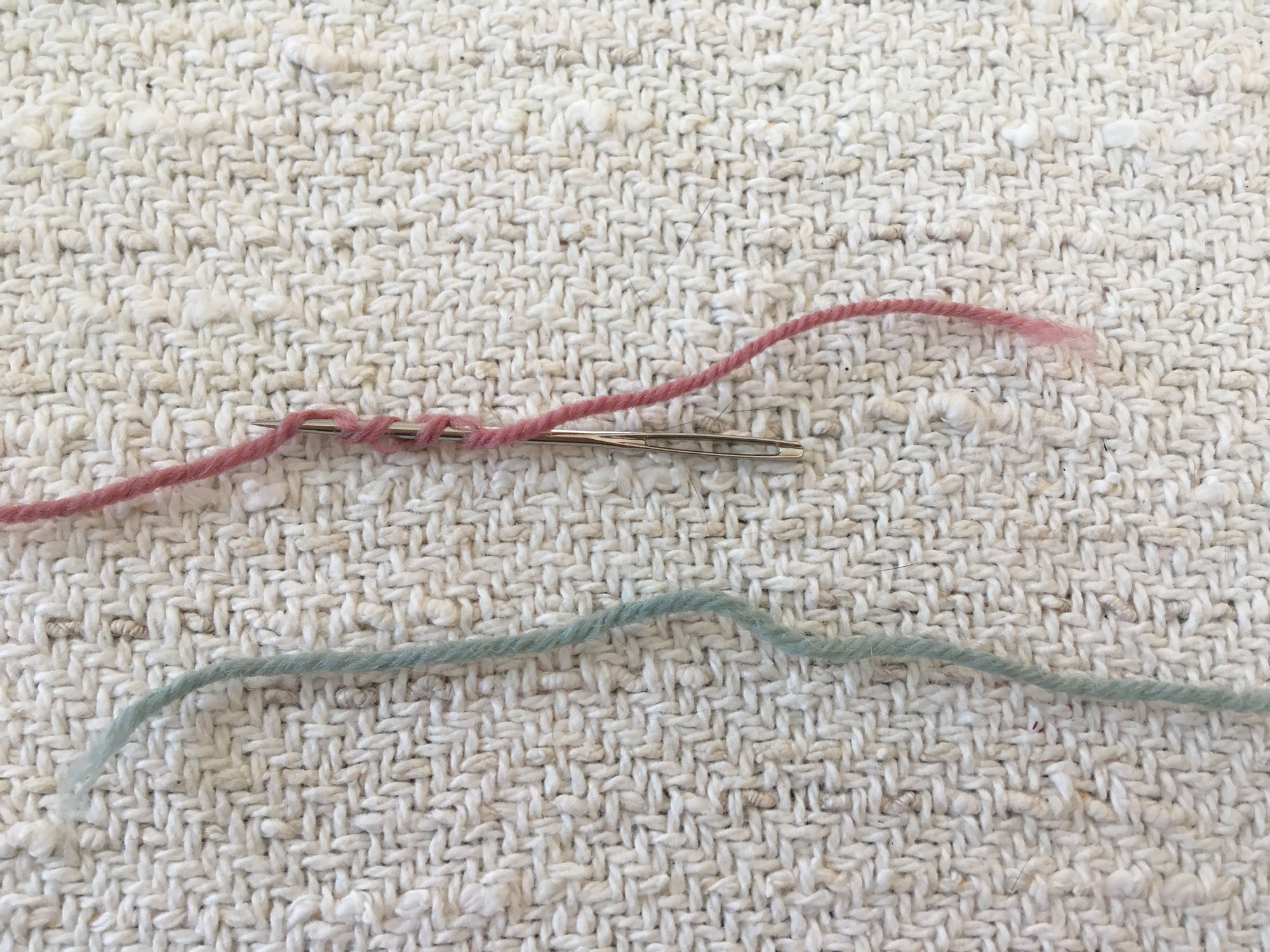
Step 1:
Thread a needle with one of the yarns you wish to join.
Work the needle back through the yarn for about an inch.
Step 2:
Thread the needle and Pull the thread through, leaving a loop in the yarn end.
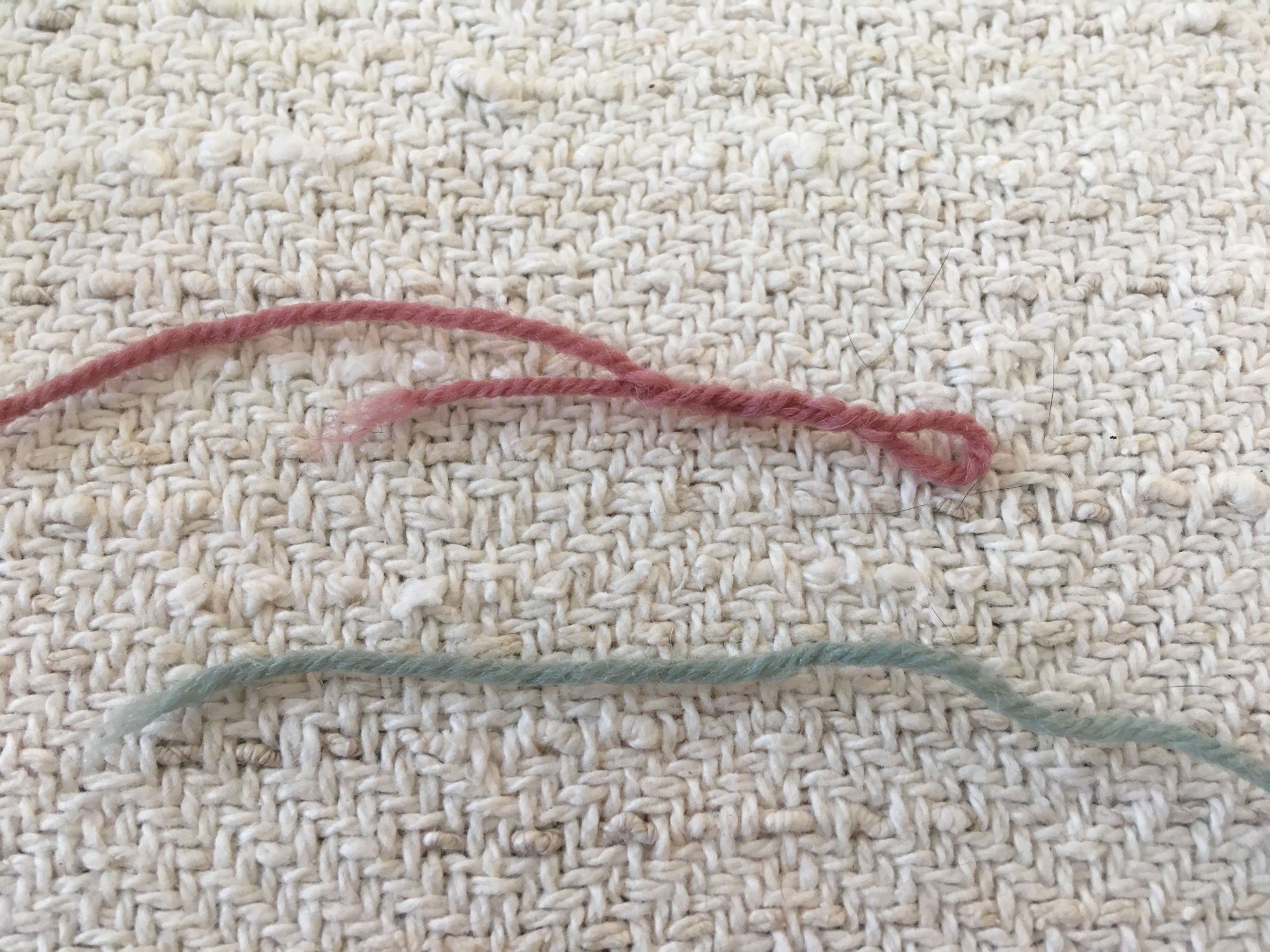
Step 3:
Thread the second yarn end through the loop.
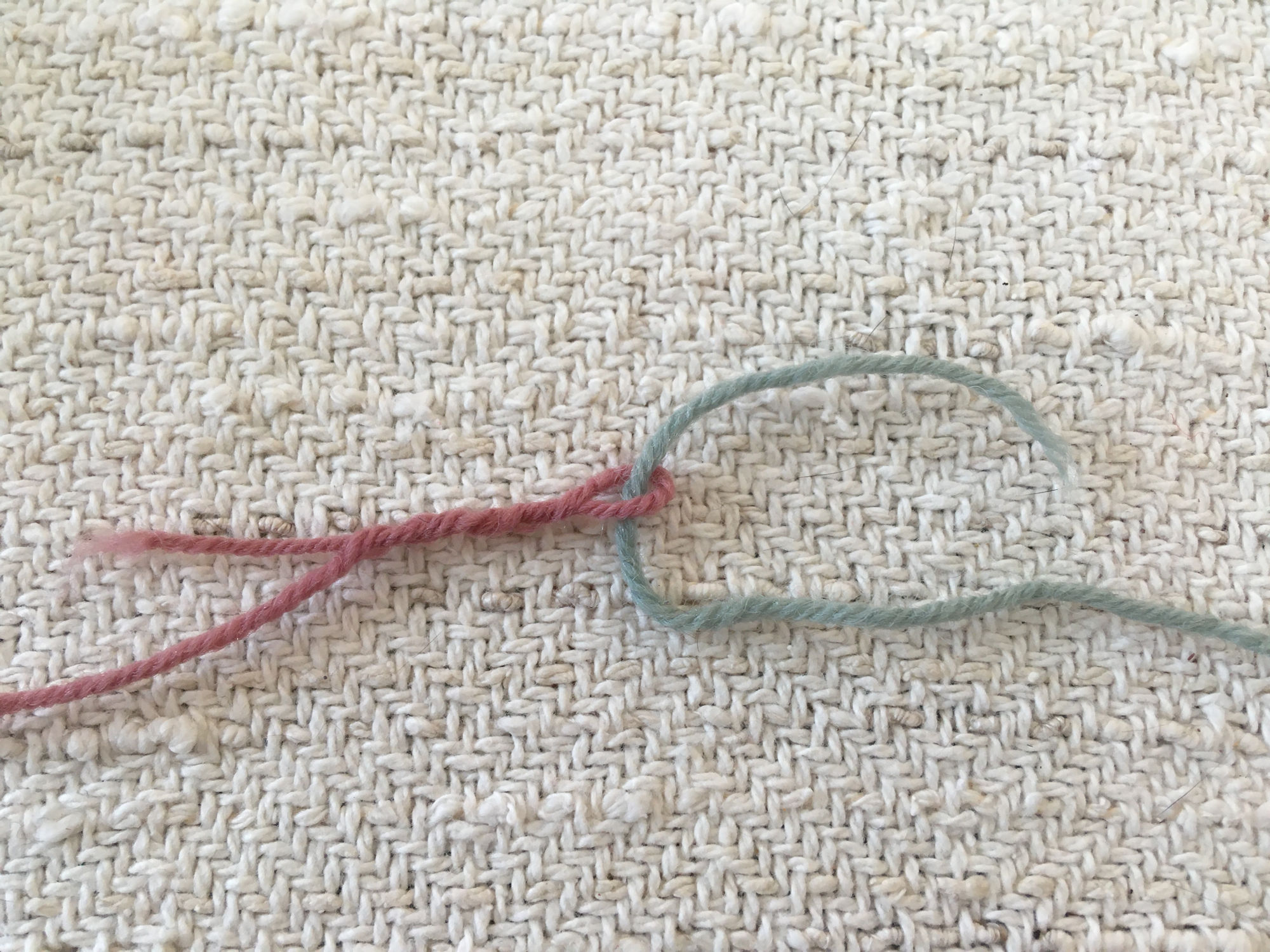
Step 4:
Work the needle back through the second yarn end for about an inch.
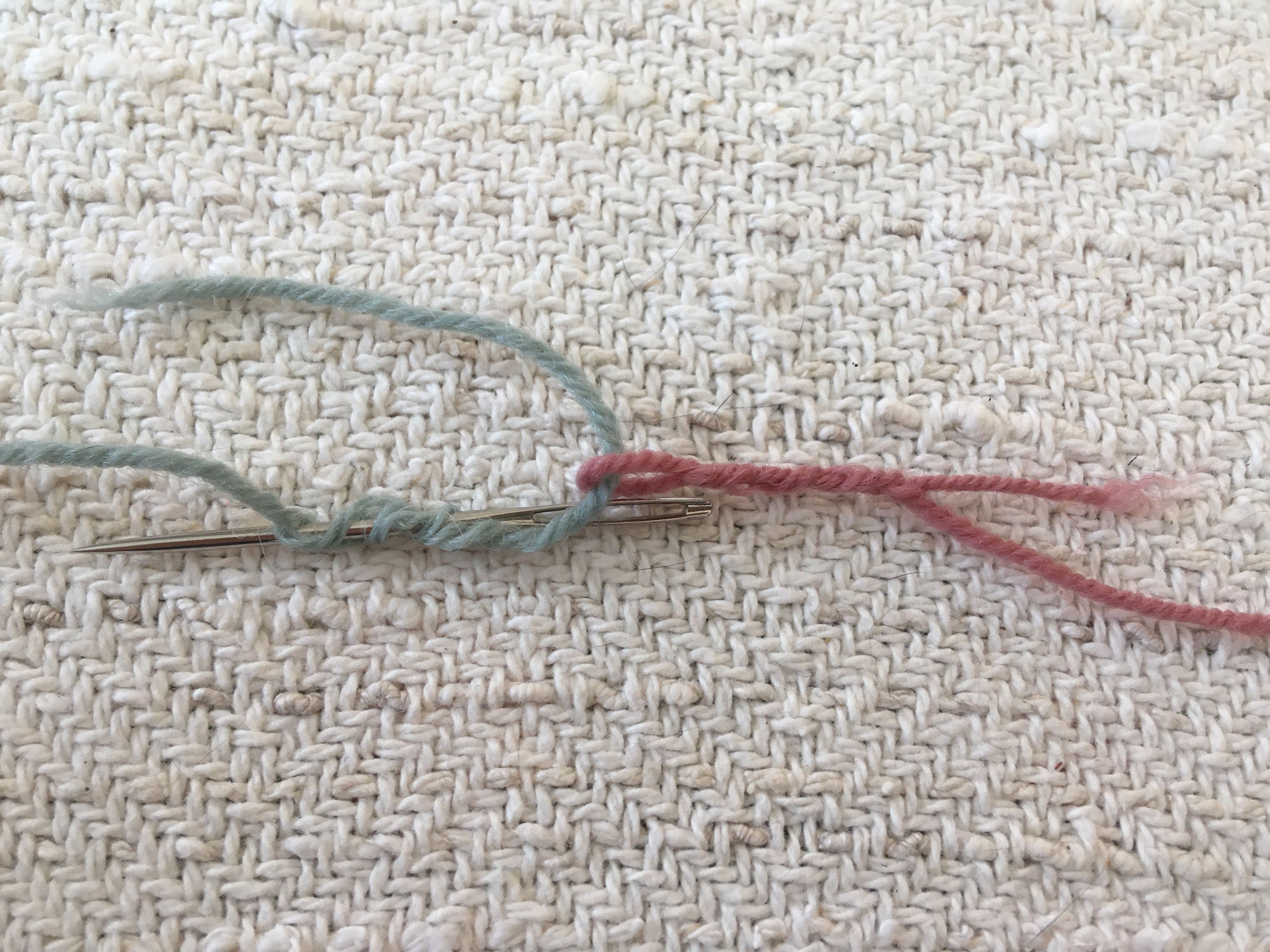
Step 5:
Pull the needle through the yarn, forming a second loop.
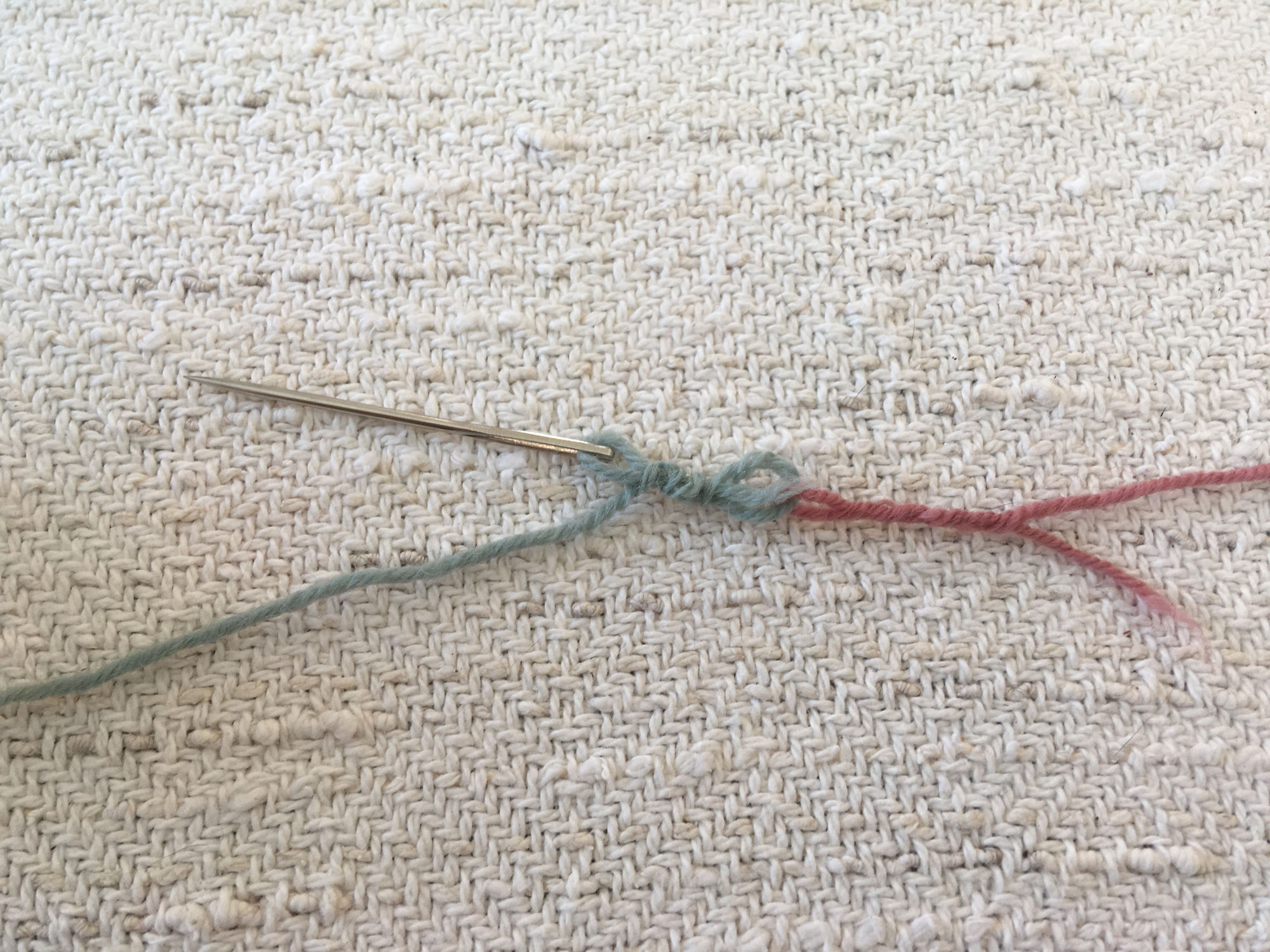
6:
Pull gently on both yarn ends to close the loops.
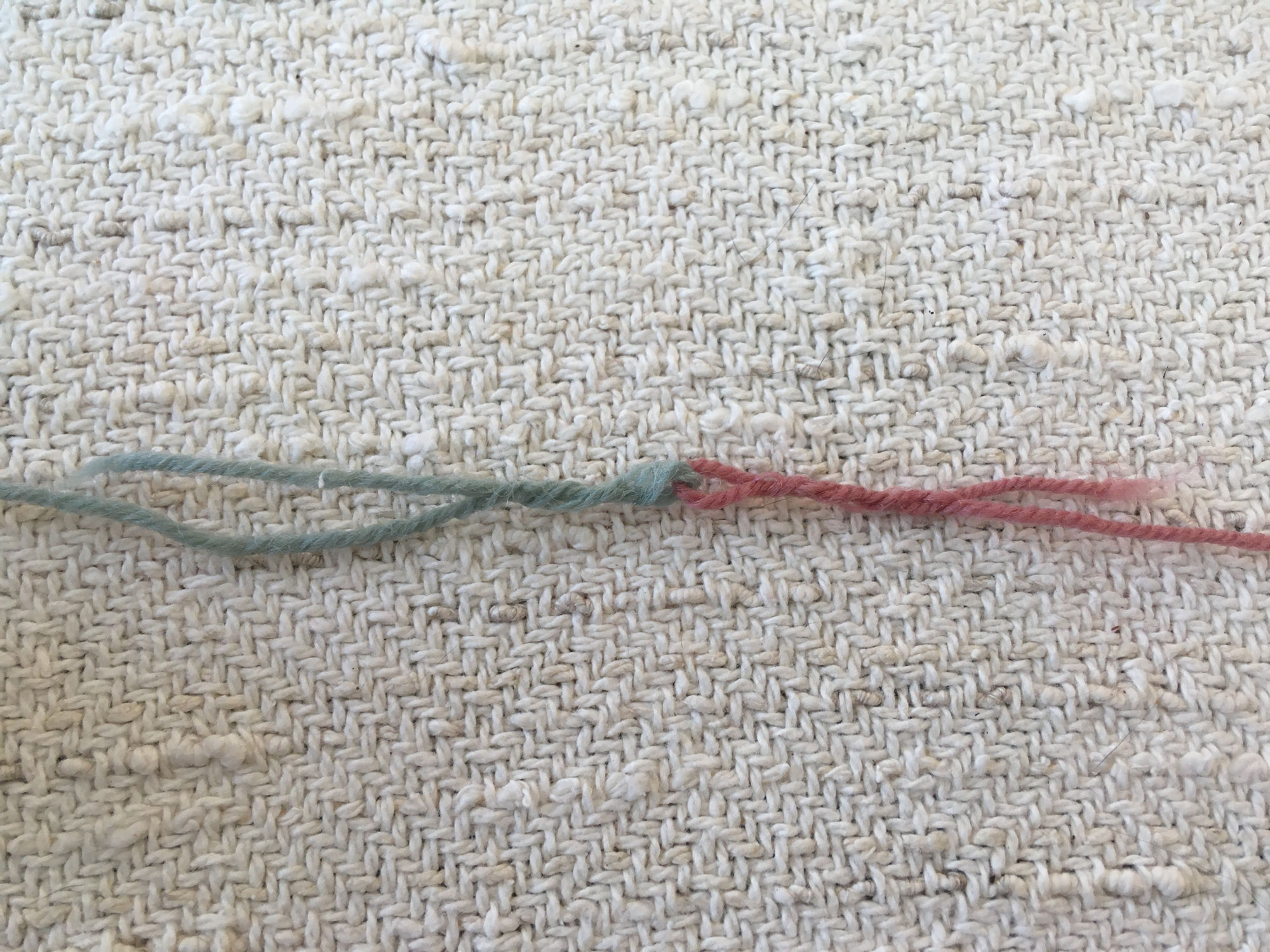
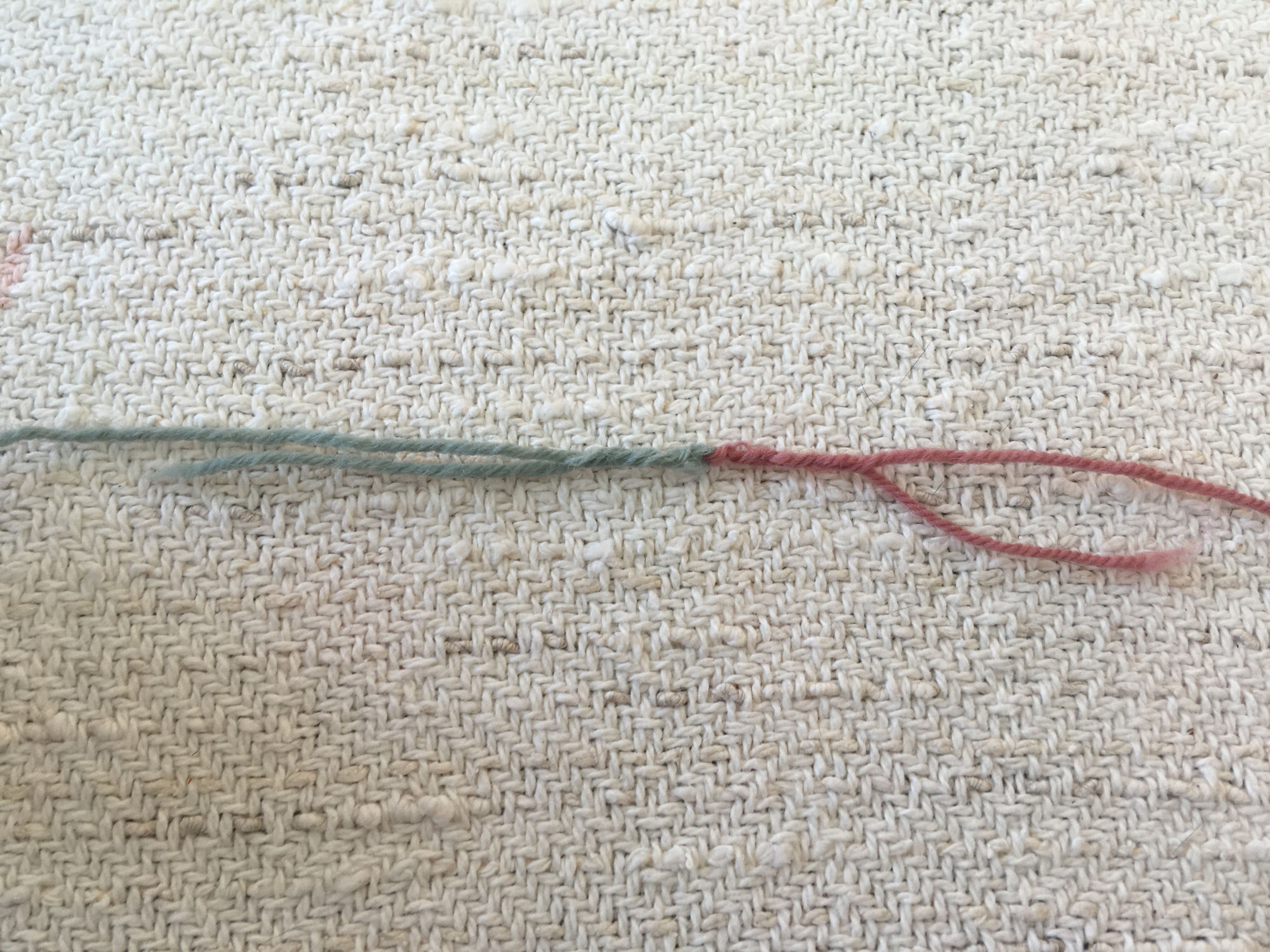
You can now trim the yarn ends leaving you with a neatly joined yarn.
Shop for Nalbinding Supplies at Paivatar.com
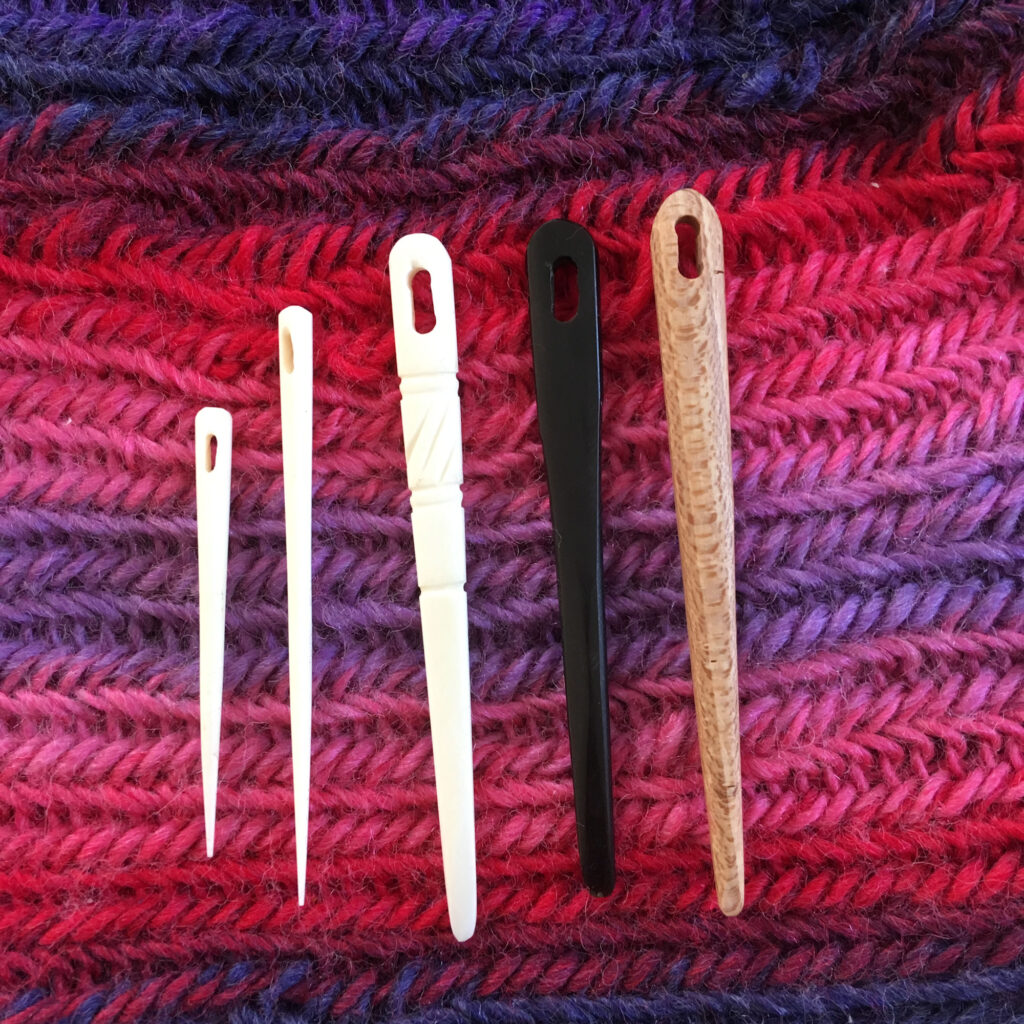

Paivatar Nalbinding Needles
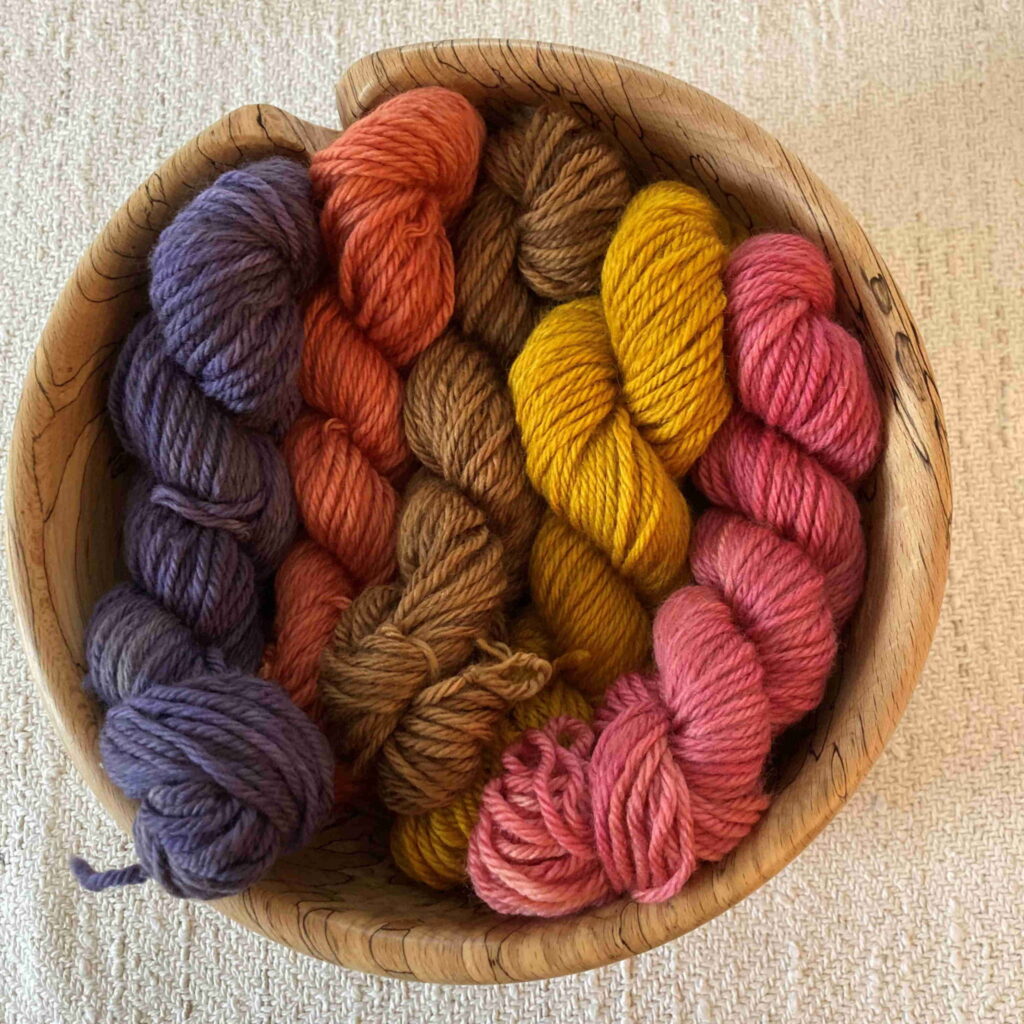
Paivatar Natural Dyed Yarn for Nalbinding
Paivatar Handspun Wool
More Nalbinding
Nalbinding Hat Pattern – Mammen Stitch
Nalbinding Stitch Summary
Nalbinding Stitches
Nalbinding Iphone Case
Russian Join Technique
Naalbinding
Handiscola Project
Nalbinding Yarn & Needles
In my Etsy shop – I will have some Nalbinding needles and naturally plant dyed yarns for sale that are suitable for Nalbinding.
I also sell some of my Nalbinding supplies on Ebay.
Nalbinding Books
Nalbinding – What in the World Is That?
Nålbindning – The easiest clearest ever guide!
Nalbinding Made Easy
Viking: Dress Clothing Garment
EBAY NAALBINDING NEEDLES
NAALBINDING – US
NAALBINDING – UK
 LONGTHREAD MEDIA VIDEO
 LONGTHREAD MEDIA SUBSCRIPTIONS
HANDWOVEN MAGAZINE
PIECEWORK MAGAZINE
SPINOFF MAGAZINE
LEARN LONGTHREAD MEDIA
PAIVATAR HANDMADE
LONGTHREAD MEDIA SUBSCRIPTIONS
HANDWOVEN MAGAZINE
PIECEWORK MAGAZINE
SPINOFF MAGAZINE
LEARN LONGTHREAD MEDIA
PAIVATAR HANDMADE
 Paivatar on YouTube
Visit my YouTube channel for how-to craft videos.
Paivatar on YouTube
Visit my YouTube channel for how-to craft videos.
Or Please visit my Channel on Rumble for more how-to videos.
https://rumble.com/Paivatar
LIVE STREAMS - Paivatar Studio
KICK
TWITCH MAKERS&CRAFTING
YOUTUBE
Categories: CROCHET, How To, KNITTING, NALBINDING